Iran–US Conflict 2026: What’s Happening Now and Where the Peace Deal Stands
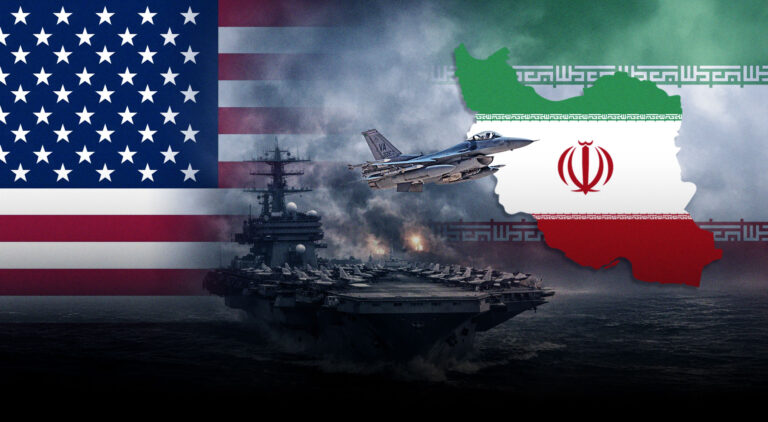
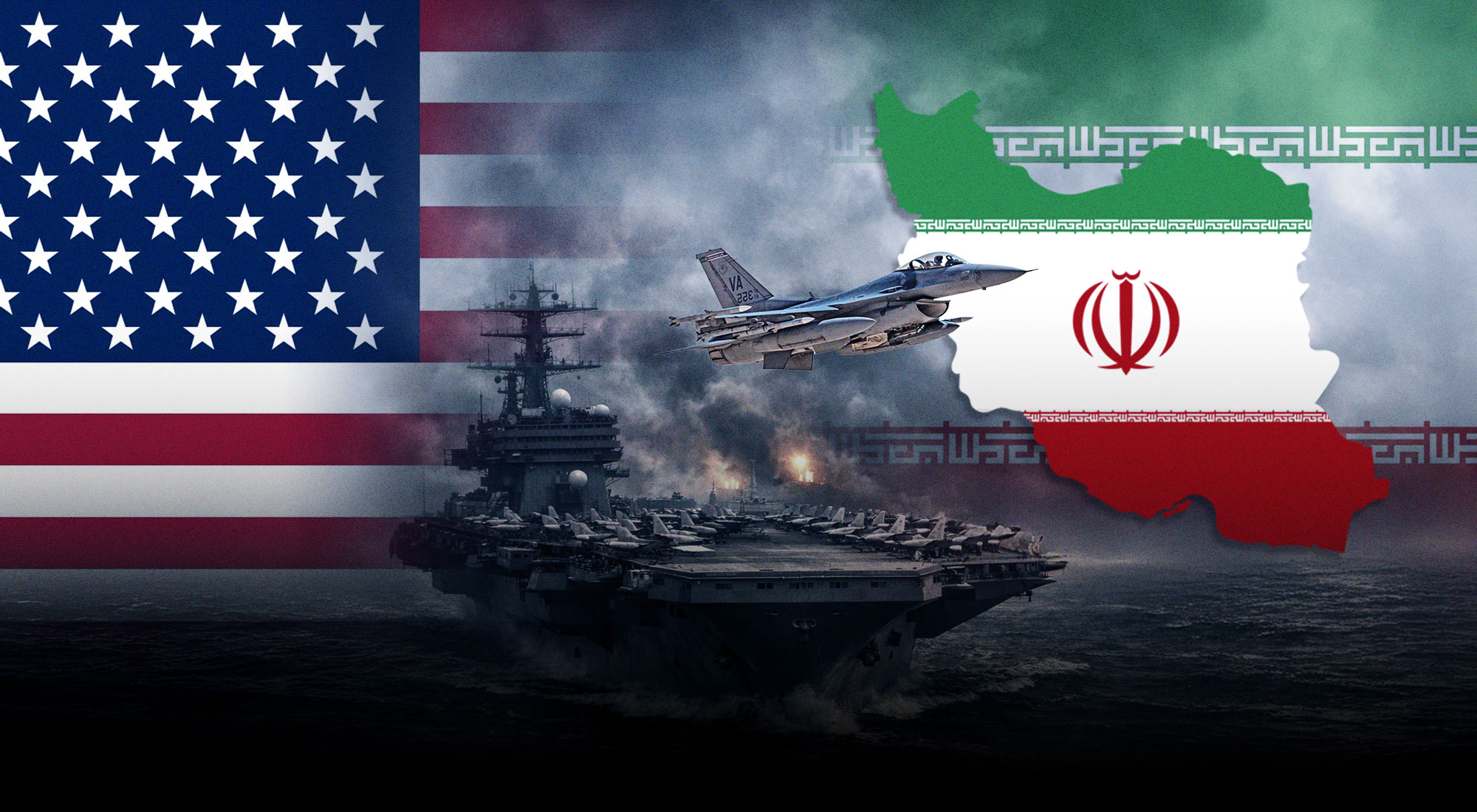
The conflict between the United States and Iran that erupted in early 2026 has dominated global headlines for months, sending shockwaves through energy markets and reshaping diplomacy across the Middle East. As of late May 2026, the two sides are inching toward a deal to end the fighting, but the situation remains fragile, with sporadic strikes continuing even as negotiators talk. Here is a clear breakdown of how we got here and where things stand now.
How the Conflict Began
The war broke out in late February 2026, when the United States and Israel launched joint military strikes against Iran. The strikes targeted Iranian military sites and came at a moment when nuclear negotiations were already underway. Iran responded by firing waves of missiles and drones at Israel and by targeting U.S. allies and interests across the region.
One of Iran’s most consequential moves was its handling of the Strait of Hormuz, the narrow waterway through which a large share of the world’s oil supply passes. The closure and blockade of the strait quickly became the central pressure point of the entire conflict, choking global energy markets and driving prices sharply higher.
The Economic Shockwaves
The disruption to the Strait of Hormuz hit ordinary people far beyond the battlefield. In the United States, the national average gas price climbed to around $4.56 per gallon, the highest level in four years, while broader inflation rose to its highest point in years. Oil prices swung dramatically with every twist in the negotiations, reflecting just how much the global economy depends on stability in this corner of the world.
Repeated Attempts at a Ceasefire
Diplomacy has been a recurring theme throughout the conflict, though progress has come in fits and starts. In April 2026, Pakistan hosted the Islamabad Talks, bringing together Iranian, Pakistani, and American representatives over roughly 21 hours of negotiation. The teams reportedly agreed on the broad outlines of a 10-point ceasefire framework, but the talks ultimately collapsed over two thorny issues: the Strait of Hormuz and Iran’s nuclear program. No formal agreement was signed.
A separate two-week ceasefire arrangement also took shape in early April, under which Iran agreed to allow safe passage through the Strait of Hormuz in exchange for a pause in bombing. These short-term truces showed that a settlement was possible, but they also revealed how quickly arrangements could break down.
Where Things Stand Now
By late May 2026, momentum appeared to be building toward a more lasting agreement. President Donald Trump described a peace deal as “largely negotiated,” involving a memorandum of understanding as a first phase, with broader talks to follow over the following weeks. Pakistan, along with several Gulf states, Turkey, Egypt, and Jordan, has played an active mediating role, with Pakistani channels helping convey terms between Washington and Tehran.
According to reporting on the proposed framework, the deal under discussion would extend the ceasefire by 60 days. During that window, the Strait of Hormuz would reopen without tolls, Iran would clear the mines it had deployed there, and Iran would be allowed to sell its oil freely while the U.S. lifted its blockade on Iranian ports. Negotiations on curbing Iran’s nuclear program would continue in parallel.
The Remaining Sticking Points
Despite the optimism, serious disagreements remain. The key unresolved issues include the timing of sanctions relief, control over the Strait of Hormuz, the fate of frozen Iranian assets, and above all the future of Iran’s nuclear program. Washington has insisted that Iran can never obtain a nuclear weapon and has pushed for Iran to hand over its enriched uranium. Tehran, meanwhile, has resisted both a long-term suspension of enrichment and demands to ship its stockpile abroad, proposing shorter timelines than the U.S. has been willing to accept.
The fragility of the moment was underscored when the U.S. military carried out what it called “self-defense strikes” against Iranian missile launch sites and boats near the Strait of Hormuz, even as negotiators continued meeting. Such incidents are a reminder that a signed agreement is not the same as a stable peace.
What Comes Next
The coming weeks will be decisive. If a memorandum of understanding is signed and holds, it could pave the way for the strait to fully reopen, energy prices to ease, and a longer-term diplomatic process to begin. But with strikes still occurring, core nuclear questions unresolved, and trust in short supply on both sides, the path to a durable settlement remains uncertain.
For now, the world is watching closely. The outcome of these negotiations will shape not only the future of U.S.–Iran relations but also the stability of global energy markets and the broader security landscape of the Middle East for years to come.